Elderly Health
2/12/2026
Doctor Care Medical
8 min
Healthy Nutrition for Elderly: What the Body Needs
Guide to healthy nutrition for elderly with focus on important nutrients
Healthy Nutrition for Elderly: What the Body Needs
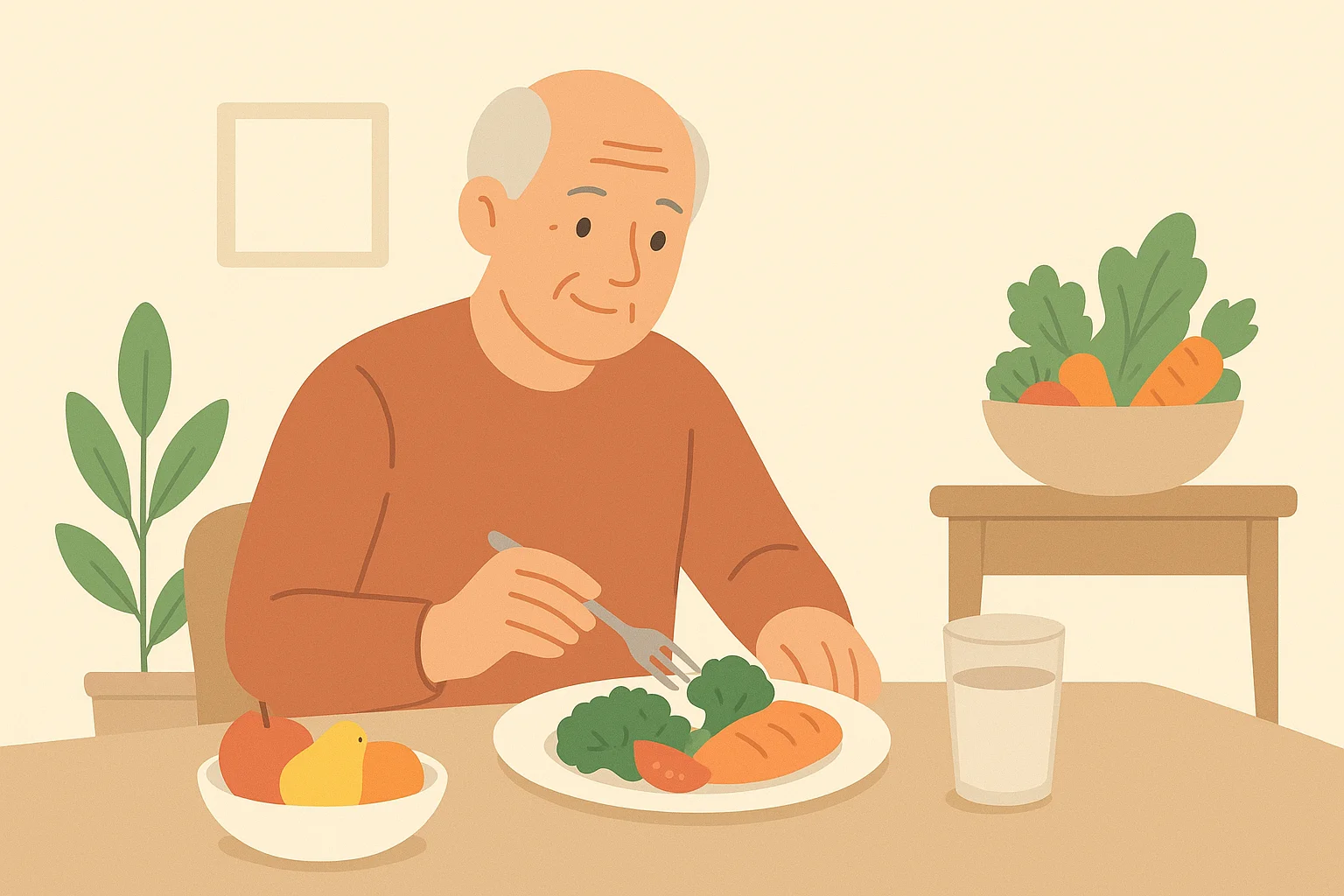
Proper nutrition is very important for elderly to ensure their good health and activity. In this article, we will learn about important nutrients for elderly and how to provide them.
Importance of Healthy Nutrition for Elderly
Challenges Faced by Elderly:
- Decreased Appetite: Due to hormonal changes and medications
- Chewing Difficulties: Dental and gum problems
- Decreased Taste: Difficulty distinguishing flavors
- Digestive Problems: Slower digestion process
- Multiple Medications: May affect nutrient absorption
Benefits of Healthy Nutrition:
- Strengthen Immunity: Resist diseases and infections
- Maintain Muscles: Prevent muscle mass loss
- Improve Memory: Support brain health
- Strengthen Bones: Prevent osteoporosis
- Improve Mood: Reduce depression and anxiety
Important Nutrients for Elderly
1. Protein
Importance of Protein:
- Build Muscles: Maintain muscle mass
- Strengthen Immunity: Support immune system
- Tissue Repair: Speed up healing process
- Improve Mood: Produce neurotransmitters
Healthy Protein Sources:
- Lean Meats: Chicken, fish, lean red meat
- Eggs: Excellent source of high-quality protein
- Legumes: Beans, lentils, chickpeas
- Dairy Products: Milk, cheese, yogurt
- Nuts: Almonds, walnuts, pistachios
2. Calcium and Vitamin D
Importance of Calcium:
- Strengthen Bones: Prevent osteoporosis
- Dental Health: Maintain tooth strength
- Muscle Functions: Muscle contraction
- Blood Clotting: Help in blood clotting
Calcium Sources:
- Dairy Products: Milk, cheese, yogurt
- Leafy Vegetables: Spinach, kale, broccoli
- Fish: Sardines, salmon with bones
- Legumes: Beans, lentils, chickpeas
Vitamin D:
- Sunlight: Safe sun exposure
- Fatty Fish: Salmon, tuna, sardines
- Egg Yolks: Good source of vitamin D
- Supplements: According to doctor's recommendations
3. Dietary Fiber
Benefits of Fiber:
- Improve Digestion: Prevent constipation
- Lower Cholesterol: Reduce heart disease risk
- Control Sugar: Regulate blood sugar levels
- Feel Full: Reduce hunger
Fiber Sources:
- Whole Grains: Brown rice, whole wheat bread, oats
- Fruits: Apples, bananas, oranges
- Vegetables: Carrots, broccoli, spinach
- Legumes: Beans, lentils, chickpeas
4. Antioxidants
Importance of Antioxidants:
- Fight Free Radicals: Prevent cell damage
- Strengthen Immunity: Support immune system
- Prevent Inflammation: Reduce chronic inflammation
- Protect Brain: Improve brain health
Antioxidant Sources:
- Colorful Fruits: Berries, strawberries, cherries
- Colorful Vegetables: Tomatoes, carrots, peppers
- Green Tea: Rich in antioxidants
- Dark Chocolate: In moderate amounts
Important Nutritional Tips for Elderly
1. Meal Distribution
Main Meals:
- Breakfast: Nutritious and balanced meal
- Lunch: Largest meal of the day
- Dinner: Light and easy-to-digest meal
Snacks:
- Between Meals: Fruits, nuts, yogurt
- Before Sleep: Warm glass of milk
- As Needed: According to appetite and health condition
2. Food Preparation Methods
Healthy Cooking Methods:
- Boiling: Healthy method for vegetables
- Grilling: Healthy alternative to frying
- Steaming: Preserves nutrients
- Slow Cooking: For better flavor
Cooking Tips:
- Cut Food: Small pieces for easy chewing
- Use Spices: Add flavor without salt
- Avoid Fats: Use olive oil in small amounts
- Vary Colors: Ensure nutritional diversity
3. Dealing with Appetite Problems
Ways to Stimulate Appetite:
- Eat Small Meals: Instead of large meals
- Vary Foods: Avoid repetition
- Add Flavors: Use herbs and spices
- Eat with Others: Improve social experience
Dealing with Chewing Difficulties:
- Cut Food: Small and soft pieces
- Cook Well: Until food becomes tender
- Use Blender: To prepare smoothies and soups
- Choose Soft Foods: Like yogurt and boiled eggs
Healthy Drinks for Elderly
Beneficial Drinks:
- Water: 8-10 glasses daily
- Milk: Source of calcium and protein
- Green Tea: Rich in antioxidants
- Natural Fruit Juices: Without added sugar
- Soup: Source of fluids and nutrients
Drinks to Avoid:
- Soft Drinks: Rich in sugar and caffeine
- Alcohol: Affects medications and health
- Sweetened Drinks: Increase diabetes risk
- Excessive Caffeine: May cause insomnia and anxiety
Nutritional Supplements
When Supplements Are Necessary:
- Vitamin B12 Deficiency: Common in elderly
- Vitamin D Deficiency: Especially in winter
- Calcium Deficiency: To prevent osteoporosis
- Iron Deficiency: In case of anemia
Important Tips:
- Consult Doctor: Before taking any supplements
- Follow Doses: According to medical recommendations
- Monitor Interactions: With other medications
- Regular Checkups: To monitor levels
Conclusion
Healthy nutrition for elderly requires special attention and careful planning. By providing important nutrients, following a balanced diet, and dealing with elderly-specific challenges, their health and quality of life can be significantly improved.
Remember: These tips are general and do not replace consultation with a doctor or nutritionist who can provide personalized advice according to each person's health condition.